Diesel Electric Generators Explained - From Fuel to Usable Power
A diesel-electric generator is one of the most reliable ways to turn stored fuel into usable electricity on demand. It's the technology behind everything from construction site power to hospital backup systems — but the actual process of getting from a tank of diesel to a working power socket involves a few clear stages worth understanding.
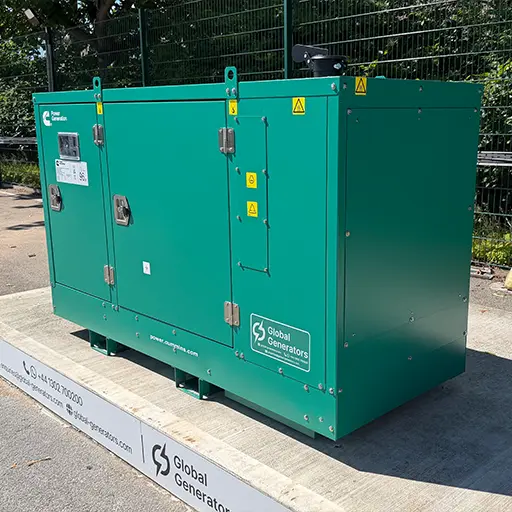
Step 1: Combustion. Diesel
fuel is injected into the engine's cylinders and ignited under high
compression, without the need for a spark plug. This combustion drives the
pistons, which turn the engine's crankshaft — converting the chemical energy in
the fuel into mechanical, rotational energy.
Step 2: Mechanical to
electrical conversion. The spinning crankshaft is directly coupled to an
alternator. Inside the alternator, this rotation moves a magnetic field across
copper windings, inducing an electrical current through electromagnetic
induction. This is the exact point where mechanical energy becomes usable
electricity.
Step 3: Regulation and
output. Raw output from the alternator isn't stable enough to run equipment
safely on its own. A voltage regulator and control panel manage frequency
(typically 50Hz in the UK) and voltage output, ensuring consistent, safe power
reaches whatever is connected — from a single piece of machinery to an entire
building.
Why diesel specifically? Diesel
engines are prized for this job because they're fuel-efficient, durable under
continuous heavy load, and require less maintenance than petrol alternatives
over their lifespan. That combination is why diesel-electric generators remain
the default choice for standby and prime power applications across
construction, healthcare, data centres, and industrial sites.
How Global Generators
Can Help
Global Generators is an
authorised UK Cummins CPG dealer, supplying a range of diesel-electric
generators from 13 kVA to 3000 kVA, held in UK stock for fast delivery or
global export. If you'd like help understanding which specification suits your
power requirements, our team is happy to talk you through it in plain terms.


Comments
Post a Comment